



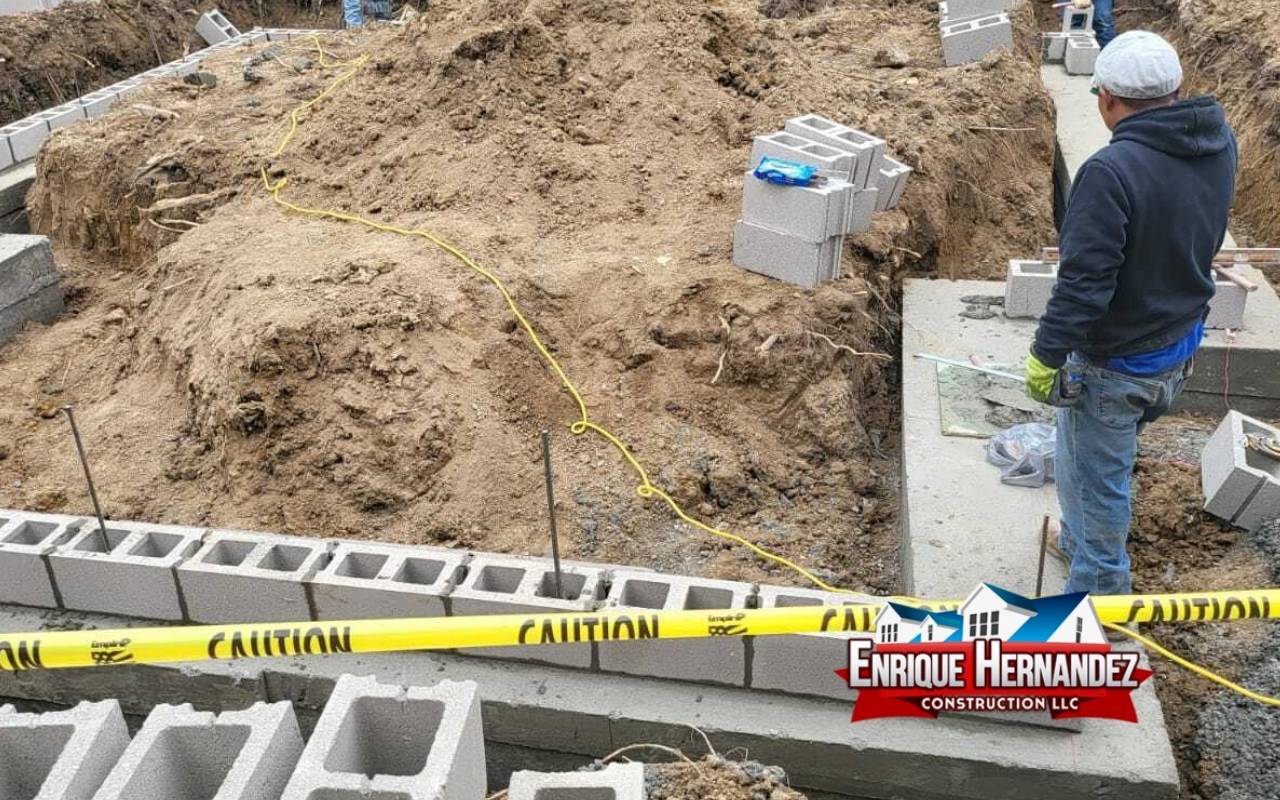
Weather influences every part of our daily lives, from planning outdoor activities to maintaining our homes. However, many homeowners overlook how weather affects the strength and durability of their concrete foundations. In Indiana, the climate varies from humid summers to icy winters, causing consistent stress on foundations throughout the year. Understanding these effects helps homeowners take better care of their properties through proper concrete foundation maintenance.
Recognizing early warning signs of damage is essential. Moisture levels, temperature swings, and freeze-thaw cycles can all contribute to foundation movement. By adopting seasonal care routines, you can protect your foundation’s integrity and extend its lifespan. For more guidance on slab stability, explore our slab concrete Indianapolis page for expert recommendations.
Impact of Indiana’s Hot and Humid Summers on Concrete Foundations
Hot summers in Indiana often cause concrete to expand, while humidity increases moisture absorption. These combined factors make the soil under your home swell and push against foundation walls. Over time, expansion and contraction cycles may result in cracks or shifting surfaces.
- Inspect the area around your home for standing water.
- Redirect gutters and downspouts away from the base of the foundation.
- Apply a waterproof sealant to prevent humidity penetration.
To ensure better protection, consistent concrete foundation maintenance should include inspecting gutters, sealing concrete, and managing drainage effectively. These steps will help your home withstand the challenges of Indiana’s humid months.
Effects of Harsh Winters on Concrete Foundation Stability
Cold winters introduce another challenge for homeowners. When soil freezes, it contracts, creating voids beneath the concrete. When it thaws, moisture expansion causes foundation movement, leading to uneven pressure and cracking.
- Remove snow buildup near foundation walls.
- Insulate exposed pipes to prevent freezing.
- Maintain a steady indoor temperature to balance ground conditions.
Including these steps in your concrete foundation maintenance plan minimizes risks and prevents winter-related structural issues. For additional seasonal insights, visit our guide on the benefits of regular concrete maintenance in Edinburgh.
Understanding Moisture Levels and Their Influence on Foundations
Moisture has a significant impact on how concrete behaves. When soil around your home becomes too wet, it exerts pressure on the foundation walls. Conversely, dry soil may shrink, leaving gaps under the structure. Both conditions can cause gradual foundation movement and long-term damage.
Regularly monitoring moisture levels is a vital part of concrete foundation maintenance. You can maintain balance by checking for pooling water, using humidity sensors, and adjusting irrigation practices. Balanced moisture means a stable foundation all year long.
The Role of Temperature Fluctuations in Foundation Health
Temperature variations can weaken foundation joints and create small cracks. When concrete expands during warm days and contracts in cooler nights, stress accumulates in the material. Over time, this can lead to gaps that allow water infiltration and eventual structural deterioration.
Inspecting seals, maintaining flexible joints, and ensuring proper ventilation are smart ways to prevent damage. As part of your ongoing concrete foundation maintenance, these actions reduce the effects of Indiana’s unpredictable temperatures.
Freeze-Thaw Cycles: A Major Threat to Concrete Foundations
Freeze-thaw cycles represent one of the most damaging natural processes affecting concrete. When water enters small pores, freezes, and expands, it widens existing cracks. Once the ice melts, more water seeps in, repeating the destructive process. Without prompt attention, this cycle can severely weaken the foundation.
Sealing concrete before winter and inspecting for cracks after thawing are practical measures that prevent deeper damage. Effective concrete foundation maintenance requires these timely actions to keep your home stable and safe.
Recognizing Signs of Foundation Damage Caused by Weather
Detecting foundation problems early can save considerable repair costs. Look for stair-step cracks, uneven floors, or doors that fail to close properly. These are often indicators of soil movement or weather-induced stress.
Routine inspections every few months ensure that issues are caught before they escalate. If you notice persistent water around your property or visible wall shifts, contact experts through our contact page for professional evaluation.
FAQs About Weather and Foundation Maintenance
1. How often should I schedule foundation inspections?
It’s wise to have professional inspections every two to three years or after major weather changes to maintain optimal foundation health.
2. What are the first signs of weather-related foundation damage?
Common signs include wall cracks, uneven flooring, and doors that no longer align properly within their frames.
3. Can proper drainage prevent foundation problems?
Yes, directing water away from your home through grading and downspouts reduces hydrostatic pressure and protects your foundation.
4. How can I prepare my foundation for winter?
Seal any visible cracks, insulate pipes, and clear snow away from the walls to prevent freeze-thaw expansion damage.
5. Why is professional maintenance important?
Experts can detect hidden structural issues early, providing solutions that extend the life of your foundation and prevent costly repairs.
Seasonal Maintenance Tips to Protect Concrete Foundations
Maintaining your foundation throughout the year involves consistency. Following seasonal steps ensures you prevent small problems from becoming serious.
- Spring: Clear gutters and downspouts to promote water flow.
- Summer: Apply sealant and inspect drainage areas.
- Fall: Trim vegetation and test sump pumps.
- Winter: Remove snow and manage indoor humidity.
Integrating these steps into your concrete foundation maintenance schedule ensures long-term durability. When you’re ready to take the next step, contact our specialists through the contact page for expert guidance.
Ensuring Longevity and Stability of Concrete Foundations in Indiana
Understanding Indiana’s climate helps you plan an effective maintenance routine. By combining seasonal care with professional assessments, you maintain a solid and reliable foundation for years. Routine concrete foundation maintenance strengthens your home against temperature fluctuations, moisture changes, and natural wear. Taking consistent action today ensures your foundation remains stable through every season.