



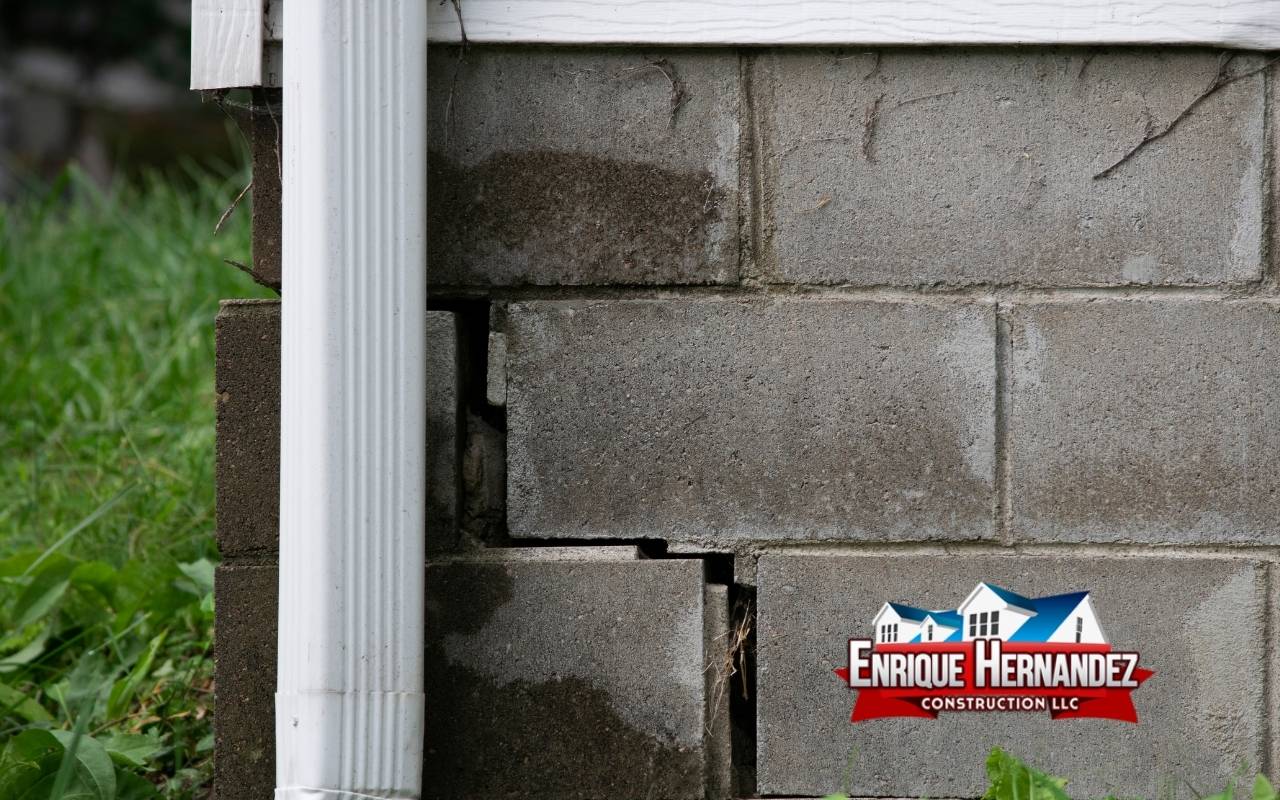
Cold-weather foundation problems in Edinburgh, IN can feel alarming when they appear during a hard freeze. Local winters often bring long stretches of below-freezing temperatures. As the mercury drops, the soil under your home can expand, contract, and gradually strain the foundation.
Over time, this movement may create tiny cracks, sticky doors, or sloping floors that worry many homeowners. Because Edinburgh winters bring repeated freeze–thaw cycles, even small issues can grow. By understanding how cold weather affects your foundation, you can plan ahead and keep your home safe, steady, and comfortable all year.
Understanding the Impact of Cold Weather on Foundations
Cold-weather foundation problems often begin with the simple freeze–thaw cycle happening in the soil around your house. When water in the ground or in small surface cracks freezes, it expands and pushes against the concrete. Later, as the ice melts, loosened pockets of soil remain and the ground can settle in uneven ways.
Repeated expansion and contraction stress the foundation and may cause visible shifts or cracks. In Edinburgh winters, frost can reach a foot or more into the ground, affecting both new and older homes. Poor drainage makes things worse because trapped moisture increases the risk of frost heave and long-term structural damage.
Cold weather concrete and soil behavior
For reliable cold weather concrete foundation care, it is important to keep soil moisture balanced and direct water away from the base of your home. By understanding how frost interacts with soil and concrete, you can prepare early and reduce costly issues later.
Common Signs of Foundation Problems in Cold Weather
Spotting early warning signs can save you time, stress, and money on repairs. One of the clearest signals is foundation cracks in winter. You might see thin vertical lines on basement walls or steps widening across the concrete. Hairline cracks often look harmless, yet they can widen as freeze–thaw cycles continue.
Other common signs include windows and doors that suddenly stick, gaps between walls and floors, or floors that feel uneven under your feet. As the ground heaves and settles, the whole building may shift slightly. During thawing periods, water seepage can create damp patches or musty smells, strong clues of cold-weather foundation problems.
- New or widening cracks in walls or floors
- Sticking interior doors and warped window frames
- Uneven or sloping floors in key rooms
- Damp spots, peeling paint, or musty basement odors
Importance of Early Detection and Prevention
Early detection is one of the most effective winter foundation repair tips you can follow. Catching small changes early allows you to manage moisture, redirect water, and add protection before cracks worsen. Regular walk-around checks, plus indoor inspections, make it easier to spot subtle shifts or leaks.
Preventive steps such as keeping gutters clean and extending downspouts away from the house reduce moisture near the foundation. Simple landscaping adjustments further limit freeze–thaw stress. When you notice warning signs of cold-weather foundation problems, taking action early helps maintain stability and avoid major structural repairs later.
Tips for Insulating Your Foundation During Winter
Insulation around your foundation works like a blanket and helps keep the surrounding ground temperature steadier. Adding foam board insulation to exposed foundation walls can hold heat, while insulating under a crawl space floor stops cold air from chilling the soil below. These steps lower the chance of frost heave around your home.
Another helpful option is insulated skirting or removable panels for crawl spaces. These barriers block icy drafts and trap warmth near the foundation. You can also apply spray foam insulation in gaps and cracks to seal drafts and limit water entry. Together with good drainage, these methods show you how to protect foundation from freezing without major construction.
- Add rigid foam board to exposed foundation walls
- Insulate crawl space floors and rim joists
- Use insulated skirting to block cold drafts
- Seal gaps with spray foam to reduce air leaks
Effective Ways to Manage Soil Moisture in Freezing Conditions
Balanced soil moisture is vital to prevent frost heave and sudden ground settling. Too much water near the foundation creates ice lenses that can lift concrete. Yet very dry soil may shrink and leave gaps under the footing. Both extremes can increase movement and stress in winter months.
Regularly check that the soil slopes away from your home so water flows downhill, not toward the walls. During winter, avoid overwatering plants near the foundation and quickly clear snow or ice piles that may melt and pool. Using gravel or permeable fabrics in landscaping helps control moisture without trapping water directly against concrete surfaces.
For broader strategies that go beyond winter, you can also review how to prevent foundation issues and apply those ideas all year.
Waterproofing Techniques for Cold Weather Foundation Protection
Waterproofing is more than a single coat of sealant on the exterior wall. Instead, it combines surface protection with hidden drainage. Exterior sealants help keep moisture out, while interior drainage systems redirect any seepage away from your basement and safely toward a sump pump or outlet pipe.
Installing French drains or perimeter drain tiles along the footing can divert water before it refreezes and damages the foundation. You can also use waterproofing membranes designed for low temperatures that stay flexible and seal tiny cracks. When paired with good grading and insulation, these methods form a strong line of defense in any cold season.
If you want more detailed ideas for everyday care, consider reading these practical foundation waterproofing tips and apply them before the next freeze.
Structural Repairs for Foundation Cracks Caused by Winter
When cracks appear, quick repairs prevent small issues from becoming serious structural problems. Epoxy injections are useful for narrow cracks with low water pressure because they restore strength to the concrete. For wider cracks, polyurethane foam injections can expand inside gaps and create a barrier against moisture.
Sometimes, reinforcement is necessary to stabilize damaged walls. Contractors may add carbon fiber straps or steel beams to the interior surface of bowed or leaning walls. These supports resist further movement and help straighten the structure over time. Because these repairs are complex, they usually require an experienced foundation professional.
Professional Maintenance Services for Winter Foundation Care
DIY efforts are helpful, yet professional maintenance gives another layer of protection against cold-weather foundation problems. Foundation specialists can perform detailed inspections that reveal hidden concerns below the frost line. They use tools to test soil conditions, measure moisture levels, and monitor shifts in the structure over time.
Service providers also offer customized winter foundation repair plans, from drainage improvements to full waterproofing systems. Because they understand local climate patterns in Edinburgh, IN, their advice fits regional freeze–thaw challenges. When you need expert help, you can contact our team to schedule an inspection and discuss the best options for your home.
For long-term strategies that go beyond one season, explore this guide on foundation maintenance in Indiana and keep your structure in good shape.
DIY Solutions to Strengthen Your Foundation Against Cold Weather
Homeowners can tackle simple tasks to protect foundations from winter damage. Cleaning and extending downspouts keeps water flowing far from the walls. Adding mulch beds around the perimeter helps regulate soil temperatures and moisture. During heavy storms, plastic sheeting can provide a temporary barrier for exposed concrete.
Other useful DIY winter foundation repair tips include sealing openings around pipes and cables with exterior-grade caulk and installing gutter guards to reduce ice dams. In very cold snaps, some homeowners use approved heaters in vented crawl spaces to prevent frozen pipes and extreme soil cooling. Layering these steps builds meaningful protection over time.
- Clean gutters and extend downspouts away from the house
- Add mulch beds to stabilize soil temperature
- Seal gaps around pipes and cables with caulk
- Use temporary barriers to shield exposed concrete in storms
Frequently Asked Questions
Why does my foundation seem worse every winter?
Each winter brings new freeze–thaw cycles that move the soil around your home. As the ground repeatedly expands and contracts, existing weaknesses can grow. Cracks may widen, doors may stick more, and floors can feel less level. Without maintenance, these yearly changes slowly add up and make problems more noticeable.
When should I worry about a small foundation crack?
Small hairline cracks are common in many basements, yet you should track any changes. Measure the width with a simple ruler and note the date. If the crack widens, spreads, or allows water to enter, contact a foundation professional. Quick attention can prevent a minor issue from turning into a serious structural concern.
Can landscaping really help protect my foundation in winter?
Yes, thoughtful landscaping can make a real difference. Proper grading guides water away from the house instead of toward the walls. Mulch beds and plants with moderate water needs help balance moisture. Additionally, gravel or stone borders can reduce standing water near foundation walls, which lowers the risk of frost heave during deep freezes.
How often should I check my home for winter foundation issues?
It is wise to perform a simple inspection at least twice each year, ideally in late fall and early spring. Look for new cracks, sticky doors, uneven floors, or damp spots. During very cold winters, do quick checks after major storms or extended freezes so you can address small changes promptly.
What if I am unsure whether to call a professional?
If you feel uncertain, it is usually safer to ask for expert advice. Take photos of any cracks or changes and note when you first saw them. Then, reach out to a trusted foundation contractor for guidance. A short visit and clear explanation can bring peace of mind and help you plan your next steps.
Ensuring Long-Term Stability for Your Home
Regular care and attention are your best defense against cold-weather foundation problems. By watching for early warning signs, improving insulation, and managing moisture, you create a stronger base for your entire home. Simple seasonal routines can greatly reduce damage from harsh winter weather.
Combine manageable DIY projects with professional inspections for a complete protection plan. Over time, consistent maintenance will help you avoid emergency repairs and unexpected stress. By acting before each winter arrives, you keep your home safe, warm, and level through Edinburgh’s toughest cold snaps.