



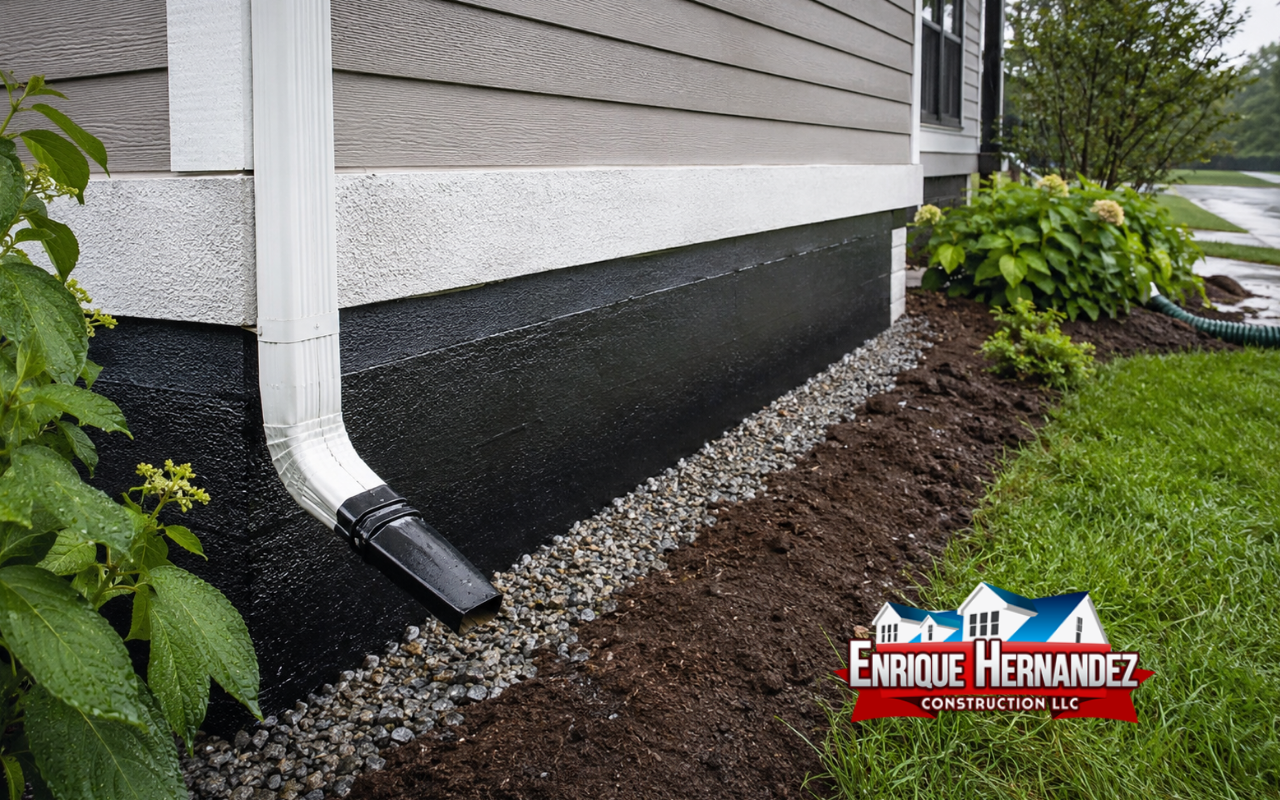
Protecting your foundation from water can support a safer, drier, and more comfortable home. These foundation waterproofing tips explain how drainage, inspections, repairs, and moisture control work together.
At Enrique Hernandez Construction LLC, we focus on practical solutions based on the condition of your property. Indiana storms, snowmelt, and temperature changes can place pressure on foundation walls.
Small cracks or poor drainage may allow moisture to enter over time. Explore our construction and foundation services to understand how professional support can address these concerns.
Understand Why Foundation Waterproofing Matters
Water can enter a basement or crawl space through cracks, wall joints, utility openings, or the connection between the wall and floor. Wet soil around the home can increase pressure against foundation surfaces.
Freezing and thawing may also cause small openings to expand. Over time, persistent moisture can lead to musty smells, damaged finishes, mold growth, wood rot, and rusted fixtures.
A complete waterproofing plan should address the source instead of covering stains or damp areas. Homeowners can review our services for foundation moisture concerns when leaks, cracks, or drainage problems require professional attention.
Watch for Moisture Warning Signs Early
Regular inspections can help you notice moisture before the damage becomes more difficult to manage. Check the basement, crawl space, foundation walls, floors, and soil around the home.
Useful waterproofing steps begin with identifying where water enters and why it remains near the structure.
Foundation Moisture Warning Signs
- Water stains or damp patches on walls
- Musty smells in basements or crawl spaces
- White powder forming on concrete surfaces
- Peeling paint or damaged wall finishes
- Cracks in foundation walls or floors
- Puddles beside the home after rainfall
- Rust on pipes, fixtures, or metal supports
- A sump pump that runs for long periods
Monitor visible cracks and note whether they change in width or length. Also check windows, vents, pipes, and wall joints. Water can travel through small openings, so the most obvious damp area may not be the true entry point.
Key Takeaway
Foundation waterproofing starts with observation. Damp walls, cracks, musty smells, puddles, and long sump pump cycles can point to moisture problems.
Use Summer Foundation Waterproofing to Prepare Early
Summer foundation waterproofing can be easier during warm and dry conditions. Exterior walls, soil, drains, and gutters are often more accessible.
Dry weather may also support proper cleaning, surface preparation, and curing when approved waterproofing materials are applied. This timing can help homeowners prepare before heavy rain, snowmelt, or freezing conditions return.
Summer Waterproofing Checklist
- Inspect foundation walls after a dry period.
- Clean gutters and remove blocked debris.
- Confirm that downspouts direct water away.
- Check soil for low or sunken areas.
- Look for cracks around pipes and windows.
- Remove plants or materials trapping moisture.
- Test sump pumps and visible drainage outlets.
- Monitor sprinklers and outdoor drainage lines.
Landscaping water should move away from the building rather than soak the soil beside it. Keep mulch, leaves, and raised beds from pressing against foundation walls.
Compare Exterior Waterproofing vs Interior Drainage
Understanding exterior waterproofing vs interior methods can make the decision process clearer. Exterior systems aim to stop water before it enters.
Interior systems collect or manage moisture after it reaches the basement or crawl space. The right approach depends on access, drainage, wall condition, and the source of the leak.
Waterproofing Method Guide
| Method | How It Helps | Best Fit |
|---|---|---|
| Exterior membrane | Creates a barrier against soil moisture. | Homes where the outside wall can be accessed. |
| Footing drain | Moves water away from foundation walls. | Properties with wet soil or poor drainage near the foundation. |
| Drainage board | Helps direct water toward drainage systems. | Exterior waterproofing projects that need added water movement. |
| Interior perimeter drain | Collects water near basement walls. | Basements where outside excavation is limited. |
| Sump pump | Discharges collected water from the property. | Homes with recurring basement or crawl space water collection. |
| Vapor barrier | Reduces moisture movement in crawl spaces. | Crawl spaces with damp soil or humidity concerns. |
Exterior work may require excavation and could affect landscaping, patios, or walkways. Interior drainage may be useful when outdoor access is limited.
With Enrique Hernandez Construction LLC, you can discuss the visible conditions before selecting a method. Use our foundation waterproofing contact page to share your concerns.
Key Takeaway
Exterior methods focus on stopping water before entry. Interior systems manage water after entry. The best option depends on the moisture source and access.
Review What Affects Foundation Waterproofing Cost
Foundation waterproofing cost depends on the source of the water and the work needed to control it. A small, stable crack requires a different approach than an entire wall exposed to wet soil.
Foundation size, depth, access, drainage conditions, and existing damage can also affect the project scope. Exterior excavation may become more complex when patios, steps, porches, narrow side yards, or mature landscaping limit access.
Interior projects may involve floor openings, drainage channels, sump equipment, or discharge lines. The condition of the wall and the selected materials also influence the work involved.
Homeowners should avoid choosing a method only because it appears simple. A surface patch may not stop recurring water when poor grading or saturated soil remains untreated.
Know When Professional Support Becomes Important
Some moisture problems require more than routine home maintenance. Growing cracks, inward wall movement, frequent water entry, and repeated sump pump activity may point to a larger concern.
A professional evaluation can consider soil conditions, drainage patterns, foundation materials, and visible signs of movement. A clear assessment should explain the likely source of the moisture and the purpose of the recommended work.
When you choose Enrique Hernandez Construction LLC, we review the property conditions before discussing suitable next steps. You can contact our team about foundation moisture problems when the cause is unclear.
Key Takeaway
Waterproofing costs depend on access, damage, drainage, materials, and project scope. A professional review helps connect the solution to the actual moisture source.
Frequently Asked Questions
What is the best method for waterproofing a foundation?
The best method depends on where the water enters and the condition of the foundation. Exterior waterproofing can block moisture before entry, while interior drainage can manage water inside. Review our available foundation and construction services for additional guidance.
How often should waterproofing systems be inspected?
Inspect foundation walls, grading, gutters, drains, and sump pumps at least twice each year. Additional checks are helpful after severe storms, snowmelt, landscaping changes, or extended rainfall. Early inspections can reveal blocked drains, new cracks, and areas where water collects.
Can foundation waterproofing reduce indoor moisture?
Waterproofing may reduce dampness when foundation leaks or wet soil are causing the problem. Indoor humidity can also come from condensation or poor airflow. A complete plan may include drainage repairs, crack sealing, ventilation, and moisture control. Ask about basement and crawl space moisture when dampness continues.
Can homeowners complete waterproofing work themselves?
Homeowners can clean gutters, extend downspouts, improve minor grading, use a dehumidifier, and monitor small cracks. Excavation, drainage installation, active leaks, or structural movement usually require professional evaluation. The safest approach depends on the location and severity of the problem.
When should I request a professional inspection?
Request an inspection when water enters during most storms, cracks continue to grow, walls appear uneven, or moisture returns after repairs. You can schedule a foundation moisture evaluation to discuss the warning signs affecting your home.
Plan Stronger Foundation Protection for Your Home
A dependable waterproofing plan combines inspections, drainage improvements, suitable materials, crack repairs, and routine maintenance. It should reduce water near the foundation and address openings that allow moisture inside.
Seasonal checks can also help completed repairs continue working as soil and weather conditions change. At Enrique Hernandez Construction LLC, we help property owners consider the source of the moisture before planning the next step.
Apply these foundation waterproofing tips to identify early warning signs, then discuss your foundation waterproofing needs with our team.